12 Essential Steps to Build a Winning SEO Strategy in 2026
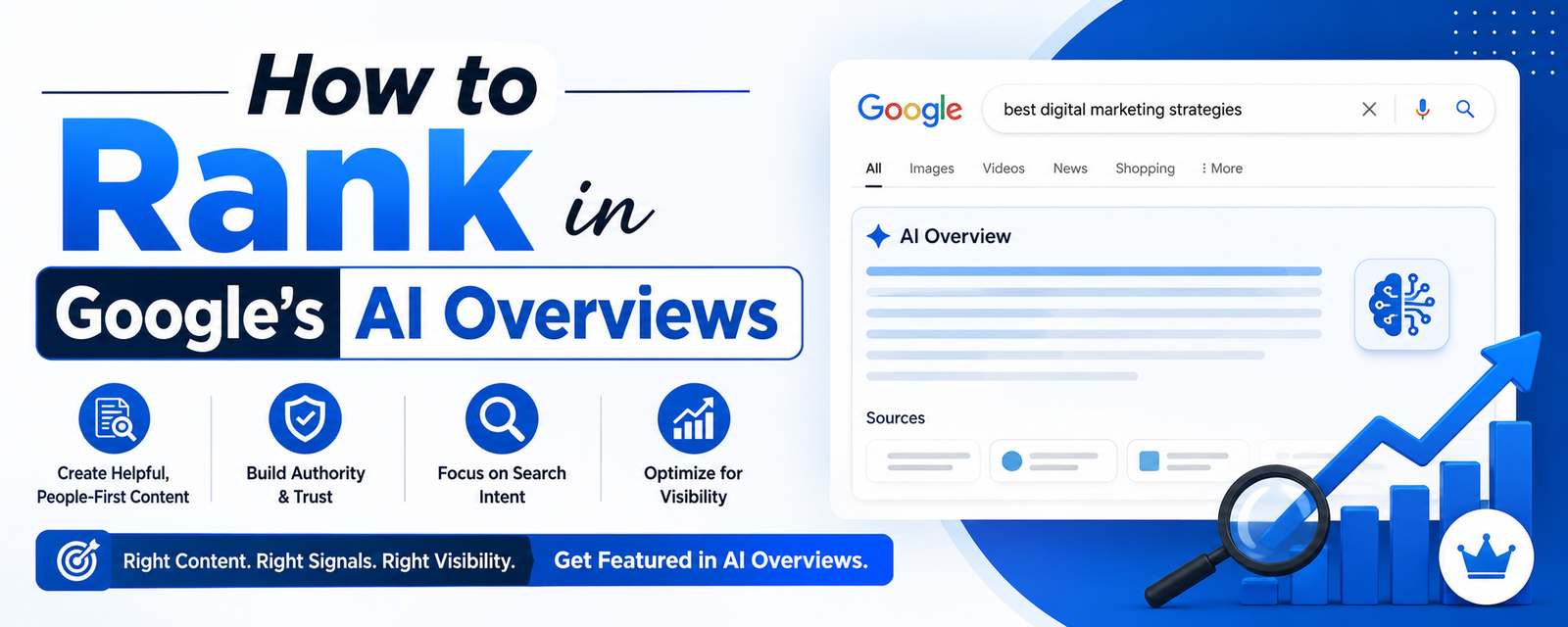
Staying competitive in today’s AI-driven search landscape requires more than basic optimization. A successful SEO strategy must adapt to constant algorithm updates, user behavior shifts, and the rise of AI search tools such as Perplexity AI and ChatGPT. Modern ChatGPT SEO and SEO strategies for Perplexity AI are reshaping how brands attract organic traffic — making it essential to understand your audience and create solutions that align with real search intent.
With Google processing billions of searches each month, businesses that execute smart SEO strategies gain massive visibility and new customer opportunities. However, search algorithms are evolving rapidly. AI-generated answers, multimodal search, and personalized search results mean your SEO approach must be flexible and continually optimized.
This guide walks you through 12 powerful steps to build an effective SEO strategy, integrating best practices while remaining adaptable to future changes. The right strategy — supported by a top SEO Company in India — can transform your website into a high-performing business asset.
12 Fundamental Steps for a Successful SEO Strategy
1. Align SEO With Business Goals & Define KPIs
A winning SEO strategy begins by aligning optimization efforts with your primary business goals — whether that’s brand awareness, lead generation, or revenue growth. Define measurable KPIs such as organic traffic, keyword rankings, canonicalization checks, conversions, backlinks, and engagement metrics.
Remember: SEO success takes time, but focused KPIs help you measure steady growth.
2. Set Realistic Expectations
SEO is a long-term investment. Results do not appear overnight because rankings depend on competition, content quality, backlinks, and search behavior. Be transparent about timelines and keep stakeholders informed about steady, predictable progress.
3. Conduct a Complete SEO Audit
An SEO audit is the roadmap for improvement. Examine:
Domain strength
On-page elements
Technical SEO
Duplicate content and canonicalization issues
Site structure
Backlink profile
Crawl efficiency & Core Web Vitals
A strong audit shows what’s working, what’s missing, and what must be prioritized immediately.
4. Perform Keyword Research
Keyword research remains core to search visibility. Identify:
Search intent
Long-tail keywords
SERP competition
Topics that align with AI search models like Perplexity AI and ChatGPT SEO
Use keyword data to avoid cannibalization and create content that satisfies user intent better than competitors.
5. Define Your Most Valuable Pages
Your home page, service pages, and high-converting pages are your MVPs. Focus on improving them first. For e-commerce, category and product pages play a huge role in ranking and conversions.
6. Keep Content Up to Date
Content becomes outdated quickly. Refresh your MVP pages regularly. Avoid low-quality automated rewrites — especially with AI tools — as they can cause ranking drops. Keep your expertise and unique perspective in every update.
7. Optimize for User Experience (UX)
Your website must work flawlessly — fast, mobile-friendly, and easy to navigate. Even the best content fails if the user experience is poor. Mobile optimization is critical, with more than 60% of web traffic coming from mobile devices.
8. Conduct Competitive Analysis
Understand who ranks above you and why. Study competitors’ content, backlinks, AI visibility, and strengths. Tools like content gap analysis reveal untapped opportunities to outperform them using smarter SEO strategies for Perplexity AI and ChatGPT SEO.
9. Build Brand Authority & Earn Backlinks
Brand authority drives organic growth. Build it through:
Email newsletters
Industry research
Thought leadership
Webinars
Media interviews
Social engagement
Influencer collaborations
High-quality backlinks flow naturally when your brand becomes a trusted resource.
10. Integrate SEO Into Your Team Workflow
SEO should support — and be supported by — sales, marketing, and IT teams. Align processes so content, UX, and technical updates work together without delays.
11. Map Your SEO Strategy to the Customer Funnel
SEO drives every stage of the customer journey:
Awareness: blogs, educational content
Interest: guides, ebooks
Decision: testimonials, case studies
Purchase: conversion-optimized product pages
Retention: support articles, loyalty programs
A well-structured SEO funnel increases conversions at every stage.
12. Measure, Report & Improve
Track your KPIs monthly. Use analytics tools to monitor organic traffic, rankings, conversions, engagement, Core Web Vitals, and canonicalization health. SEO never stops — continually adjust and refine your strategy based on performance data.
Conclusion
SEO is challenging, but with the right approach, it delivers unmatched long-term benefits. From technical optimization to content quality and AI search adaptation, your strategy must evolve continuously.
With expert support from a professional SEO Company in India like Code Web Creation, you can implement advanced ChatGPT SEO, smart SEO strategies for Perplexity AI, and improved canonicalization practices to dominate search results in 2025 and beyond.