Benefits of Local SEO (Plus: Quick Start Guide to Boost Your Local Presence)
In today’s world, being found online is a must for local businesses. When someone searches for a product or service nearby, local SEO helps your business show up first. If you want more customers walking through your door, understanding the power of local SEO makes a big difference. This article covers the top benefits, quick tips to get started, and simple strategies to boost your local presence.
Understanding The Fundamentals of Local SEO
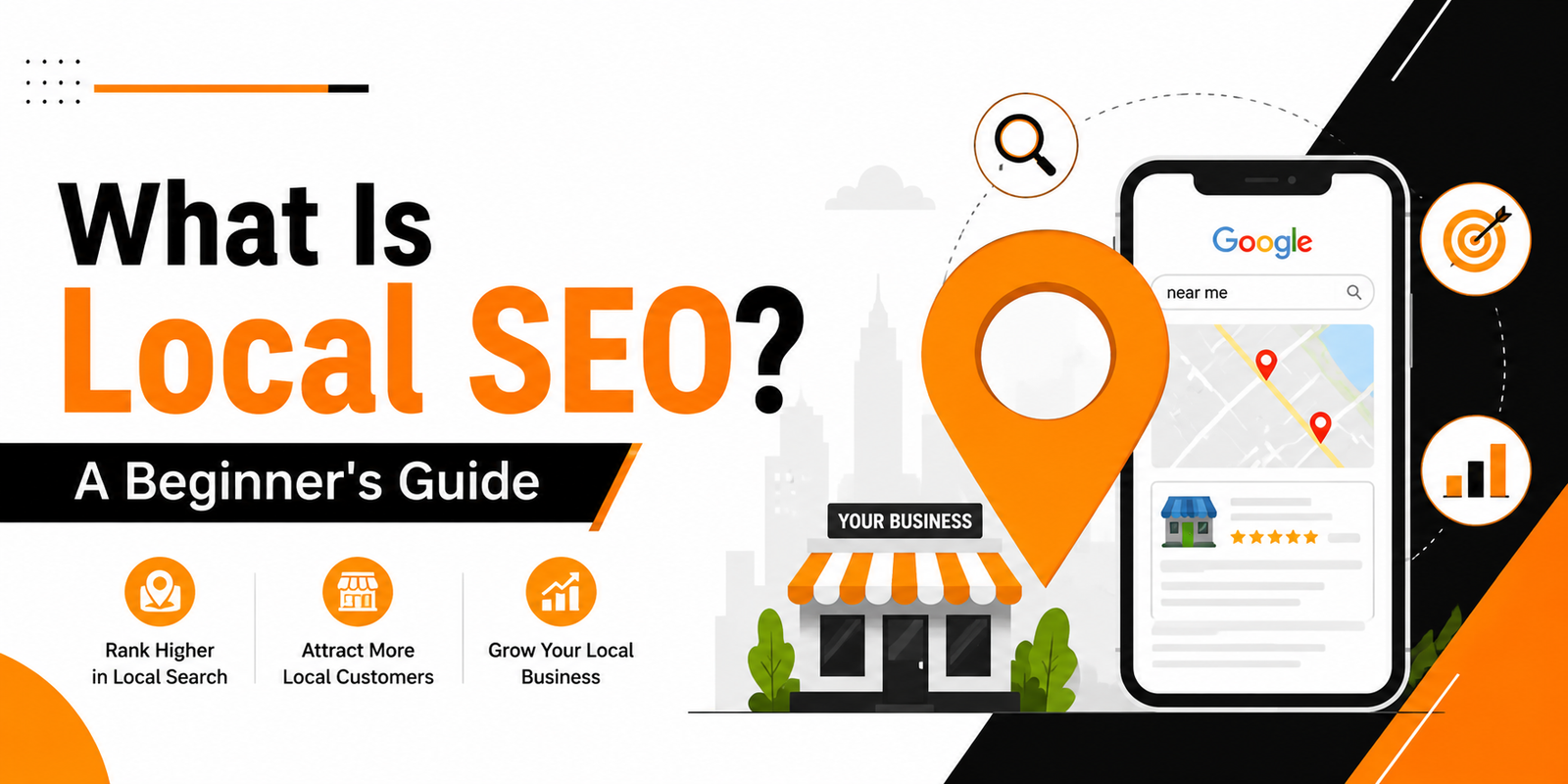
What is Local SEO Local SEO is a set of strategies to help your business show up when people search nearby. Unlike broad SEO, which targets wider keywords, local SEO focuses on location-specific terms. For example, instead of "pizza," you want to rank for "pizza shop in downtown" or "best pizza near me."
Local search differs because it targets users looking for nearby options. It’s highly relevant for small to medium businesses wanting to attract local customers. Local SEO makes sure your business appears right where it should—in front of nearby prospects.
Why Local SEO Matters for Your Business
More people look for local businesses today than ever before. Searches like “coffee shop near me” and “plumber in town” are rising, especially on mobile devices. Over 80% of consumers prefer buying from local companies, trusting them more than big brands. When your business ranks high in local search results, it’s easier for nearby customers to find and choose you.
Key Benefits of Local SEO
Increased Local Visibility
Local SEO helps your business appear in map packs and local search results. These are the first things people see when they look for local services or products. For example, a restaurant that appears at the top of local searches can bring in more foot traffic. To maximize visibility, make sure your Google My Business listing is complete and optimized with accurate details.
More Website Traffic and Leads
A strong local SEO strategy leads to more visitors to your website. Mobile searches for local places often turn into visits or calls. Recent studies show that people searching locally are more likely to become paying customers. Experts say focusing on local keywords and relevant content attracts nearby prospects more easily.
Higher Conversion Rates
People searching locally tend to have a higher intent to buy. When someone looks for a nearby shop or service, they’re often ready to make a quick decision. For example, a small store that uses local keywords can see more sales. Use keywords like “best bakery in [your city]” on your pages and meta tags to catch these buyers.
Cost-Effective Marketing Strategy
Compared to traditional advertising, local SEO offers a cheap yet powerful way to reach your audience. It builds your online reputation over time and keeps bringing in new customers without expensive ads. Focusing on local citations, reviews, and directory listings can deliver good results within a small budget.
Enhanced Customer Trust and Credibility
Online reviews and your local reputation influence how customers perceive your business. When your business has positive reviews, it’s more trustworthy. Companies that keep their Name, Address, and Phone number (NAP) consistent across platforms appear more professional and reliable. This consistency improves your local rankings, too.
Competitive Advantage
Using local SEO can make you stand out among nearby competitors. If your business ranks higher in local search results, more potential clients will choose you. For example, a cleaning service that updates its listings regularly can beat out other local providers. Regular audits help ensure you stay ahead of competitors.
Boost in Mobile Engagement
Most local searches happen on smartphones. A mobile-friendly site with local SEO practices makes it easier for customers to connect instantly. Optimizing for voice search and responsive design ensures you don’t miss out. Nearly half of local searches are now voice-activated; stay prepared.
Improved Customer Engagement and Retention
Local SEO isn’t just about attracting new visitors. It also helps you connect with existing customers. Promote local events, loyalty programs, or specials through your online listings. A coffee shop, for example, can use local SEO to share upcoming events with nearby patrons.
Support for Voice Search Optimization
More people use voice commands on their phones or smart devices. To catch these searches, use natural language phrases and target questions like “Where’s the best pizza near me?” Optimizing FAQs on your site makes this even easier.
Better Integration with Online and Offline Marketing
Combine local SEO efforts with your social media, email campaigns, and in-store promotions. A clothing store running holiday sales can tie in its local SEO to attract nearby shoppers. Consistent branding and messaging across channels boost your reach.
Positive Impact on Reviews and Reputation
Encourage happy customers to leave reviews online. More reviews mean higher rankings and greater trust from future customers. Always respond professionally and quickly to reviews—both good and bad—to show you care.
Measurable Results and Analytics
Tools like Google Analytics and Google My Business insights help track your success. Keep an eye on your local rankings, website visits, and foot traffic. Regularly reviewing these numbers helps you adjust your strategy for better results.
Quick Start Guide To Implementing Local Seo
Getting started doesn’t need to be complicated. Here’s a simple step-by-step plan:
Key Components of Local SEO
Google My Business (GMB) Optimization: Claiming and improving your GMB profile makes your business visible on Google Maps and local search results.
Local Citations and Directory Listings: Listing your business on sites like Yelp or Bing Places builds trust and authority.
On-page Local Signals: Adding location keywords and local info to your website improves relevance.
Local Reviews and Reputation Management: Positive reviews influence rankings and attract new customers.
Setting Up and Optimizing Your Google My Business Profile
Claiming and Verifying Your Listing.

Start by finding your business on Google My Business. Claim it, then verify ownership with a phone call, postcard, or email. This process helps Google know you’re legit.
Optimizing GMB Details

Make sure your name, address, and phone number (NAP) are consistent everywhere. Pick the right categories to describe your business—think about what customers search for. Upload clear photos and videos that show your space and services.
Utilizing GMB Features
Regularly post updates, special offers, and news. Use the Q&A feature to answer common questions. Enable messaging to connect directly. Keep an eye on insights to see what’s working and what isn’t.
Building Local Citations and NAP Consistency

Importance of Local Citations
Citations are mentions of your business name, address, and phone number on other websites. They improve your local ranking and help customers find you. Consistent citations also boost trust and credibility.
Strategies for Accurate Citation Building
List your business on top local directories like Yelp, Bing Places, and Apple Maps.
Check that your NAP info matches exactly across all sites.
Use citation management tools to keep info organized and updated.
Avoiding Common Citation Errors
Don’t create duplicate listings or leave outdated info behind. Variations in formatting, like abbreviating your street name differently on each site, can hurt your rankings.
Enhancing On-Page SEO for Local Keywords
Conducting Local Keyword Research
Use tools like Google Keyword Planner or Ubersuggest to find local keywords that customers search for. Think about neighborhood names, landmarks, or city-specific terms.
Optimizing Website Content
Create landing pages for each area you serve. Add local references like nearby landmarks or popular spots. Use your keywords naturally in titles, headers, and content.
Technical On-Page Optimization
Add schema markup for your business to help Google understand your location. Optimize page titles, meta descriptions, and headers with local keywords for better visibility.
Managing Local Reviews and Reputation

The Power of Customer Reviews
Reviews influence your local rankings and help customers decide. Positive feedback shows you’re trustworthy. Encourage happy customers to leave reviews without pushing too hard.
Responding to Reviews
Reply thoughtfully to positive reviews to thank customers. Address negative reviews calmly and professionally. Show you care about your customers’ experience.
Leveraging Reviews for Content
Share testimonials on your website and social media. Add snippets of praise to boost your credibility. Use reviews as fresh content that attracts new visitors.
Measuring And Maintaining Local SEO Success
Tracking Key Metrics
Regularly check your Google My Business insights to see views, searches, and actions. Monitor your local keyword rankings and website traffic from local visitors. Track how many visitors convert into customers.
Using Analytics Tools
Combine Google Analytics with Search Console to understand user behavior. Consider third-party tools like BrightLocal or Whitespark for in-depth local SEO reports.
Continuous Optimization
Update your GMB profile and website content often. Keep an eye on what competitors are doing and adapt your strategy. Use data to tweak your approach for better results over time.
How To Choose The Best Seo Companies For Small Business.
Navigating Success: Choosing the Best SEO Companies for Small Businesses
In the digital landscape, where online visibility is paramount, small businesses recognize the indispensable role of Search Engine Optimization (SEO) in establishing a robust online presence. However, with a plethora of SEO companies claiming expertise, selecting the right partner can be a daunting task. This article offers a comprehensive guide on navigating the process and selecting the best SEO company for small businesses.
1. Define Your Goals and Budget:
Before embarking on the search for an SEO company, clearly define your business goals and budget constraints. Understand what you aim to achieve with SEO – whether it's increased website traffic, higher search engine rankings, or improved lead generation. Establishing a budget ensures you find a service provider that aligns with your financial parameters.
2. Evaluate Expertise and Experience:
Look for SEO companies with a proven track record of success, especially in catering to small businesses. Assess their portfolio, case studies, and client testimonials to gauge their expertise. An experienced SEO company understands the nuances of small business challenges and tailors strategies accordingly.
3. Comprehensive Services:
Choose an SEO company that offers a comprehensive suite of services beyond basic SEO. Services like content creation, social media management, and local SEO are integral components of a holistic digital marketing strategy. A company that provides an integrated approach ensures a well-rounded online presence.
4. Transparency and Communication:
Transparency is key in the realm of SEO. The best SEO companies for small businesses are open about their methodologies, reporting processes, and the progress of your campaigns. Effective communication, regular updates, and a dedicated account manager contribute to a fruitful partnership.
5. Customization for Small Businesses:
Small businesses have unique challenges and opportunities. The ideal SEO company recognizes this and tailors its strategies to suit the specific needs of its clients. Avoid one-size-fits-all approaches and opt for a company that understands the intricacies of your industry and business size.
6. Ethical SEO Practices:
Beware of companies that promise quick fixes or guarantee overnight results. Opt for an SEO company that adheres to ethical practices and follows search engine guidelines. Sustainable growth in search rankings comes from a strategic, long-term approach rather than shortcuts that can lead to penalties.
7. Avoid Black-Hat SEO Companies
Be cautious of SEO agencies that use black-hat techniques like:
Keyword stuffing
Buying backlinks
Cloaking (showing different content to users and search engines)
Spammy link-building strategies
These tactics can harm your website’s ranking and lead to Google penalties. Always work with agencies that follow ethical and white-hat SEO practices.
8. Track Record of Adaptability:
The digital landscape is ever-evolving, with search engine algorithms constantly changing. Choose an SEO company that demonstrates adaptability to industry trends and algorithm updates. Flexibility and a proactive approach to change are indicative of a company that stays ahead of the curve.
9. Scalability:
Consider your business's growth potential and ensure the chosen SEO company can scale its services accordingly. A partner that can adapt to the changing needs and expand your business's scope ensures a sustainable and long-term collaboration.
10. Check Their Local SEO Expertise
If you run a local business, local SEO is essential. Ask if they offer:
Google My Business (GMB) optimization
Local keyword targeting
Citations and directory listings
Customer review management
This will help your business rank higher in local search results.
11. Compare Pricing & Packages
SEO pricing varies depending on the services offered. Some agencies charge:
Monthly retainers (fixed fee per month).
Project-based pricing (one-time fee for specific SEO tasks).
Hourly rates (pay per hour of service).
Select an SEO company that offers affordable and customized plans tailored to your small business's budget.
12. Look for Continuous SEO Improvement
SEO is an ongoing process, and search engine algorithms are constantly changing. A great SEO company should: Stay updated with Google’s latest algorithm updates.
Continuously optimize your website for better rankings and user experience.
Offer content marketing and blogging to boost organic traffic.
Request a Consultation
Before making a decision, request a free consultation with potential SEO agencies. This allows you to:
Discuss your business needs.
Get insights into their SEO approach.
Ask about expected results and timelines.
A professional SEO company will provide realistic expectations and customized solutions for your small business.
Final Thoughts
Choosing the right SEO company for your small business can make a significant difference in your online growth. By considering experience, expertise, strategies, transparency, and pricing, you can find an SEO partner that helps your business thrive in search engine rankings.
In the bustling cityscape of Delhi, where opportunities are as diverse as the population itself, digital marketing is not just a tool; it's a catalyst for business success. Code Web Creation, your trusted digital marketing agency in Delhi, is dedicated to navigating the dynamic digital landscape on your behalf. We don't just create campaigns; we build digital experiences that propel your brand to new heights in the online realm. Embrace the power of digital marketing with Code Web Creation and watch your business thrive in the digital age.
Looking for expert SEO services? Hire a trusted SEO agency today and take your business to the next level!